By the end of this year, Wal Mart aims to cover 2,300 stores in the United States! Wal Mart is accelerating the deployment of Electronic Shelf Labels (ESL), with a plan to cover 2,300 stores in the United States by the end of this year.
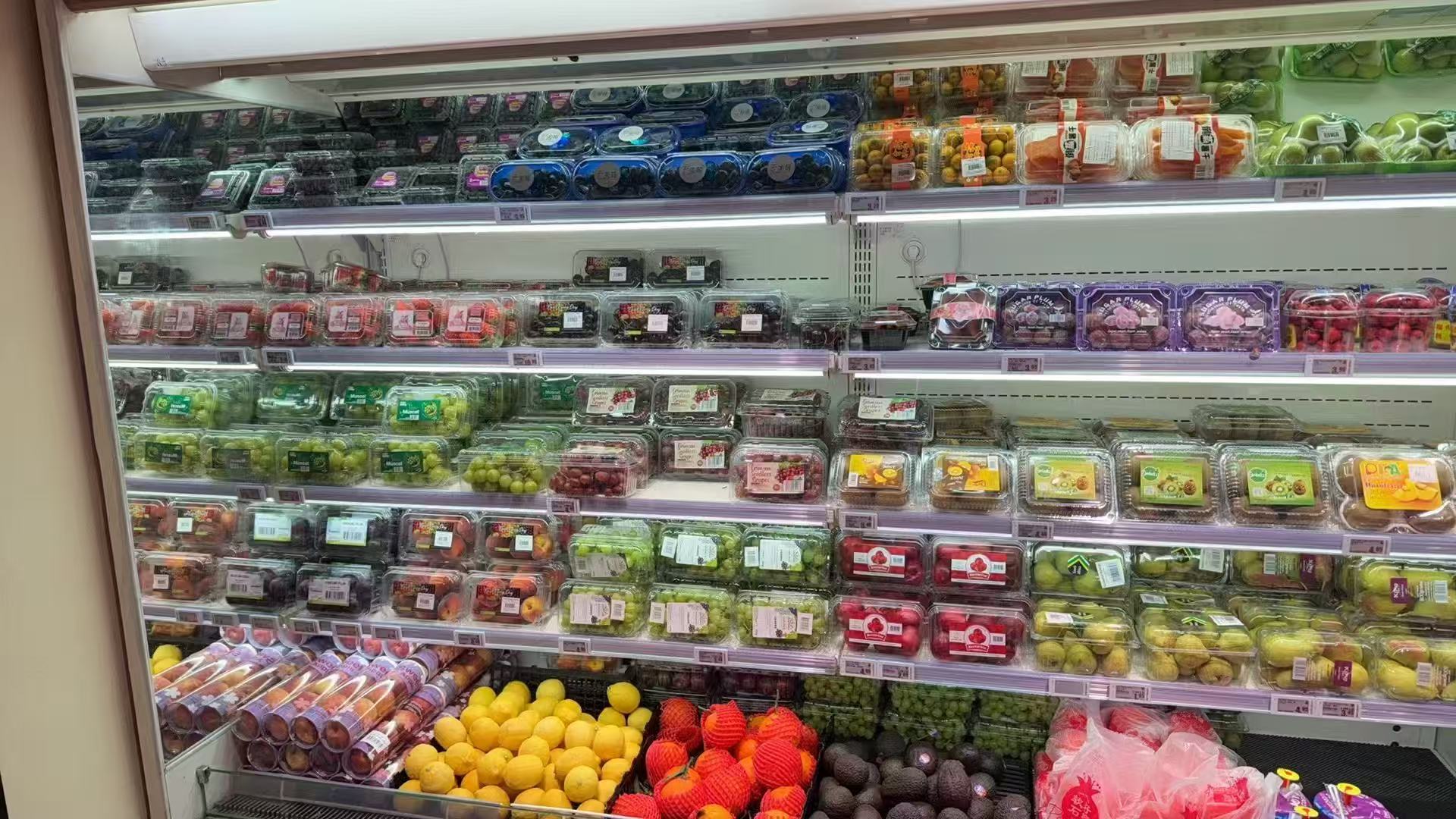
Wal Mart has initiated the testing of the electronic price tag system since 2019. Initially, it was expected that this system would enable real-time price updates, reduce the workload associated with manually replacing paper labels, and further enhance consumer trust in the brand.
According to the official disclosure, electronic price tags, besides their basic function of displaying prices, also possess more expanded functions, such as real-time display of product inventory status and online sales prices of competing products, and even the ability to provide a QR code ordering channel and product review viewing function.
In the retail industry, similar to Wal Mart, large retailers such as Lidl and Kroger are also accelerating the introduction of electronic price tag systems. However, unlike Wal Mart, Lidl and Kroger have repeatedly publicly emphasized that they will not use this system to implement "price hikes at any time" to avoid consumer dissatisfaction and reduce market disputes.
The core goal of Wal Mart's digital transformation is to save operating costs and improve operational efficiency.
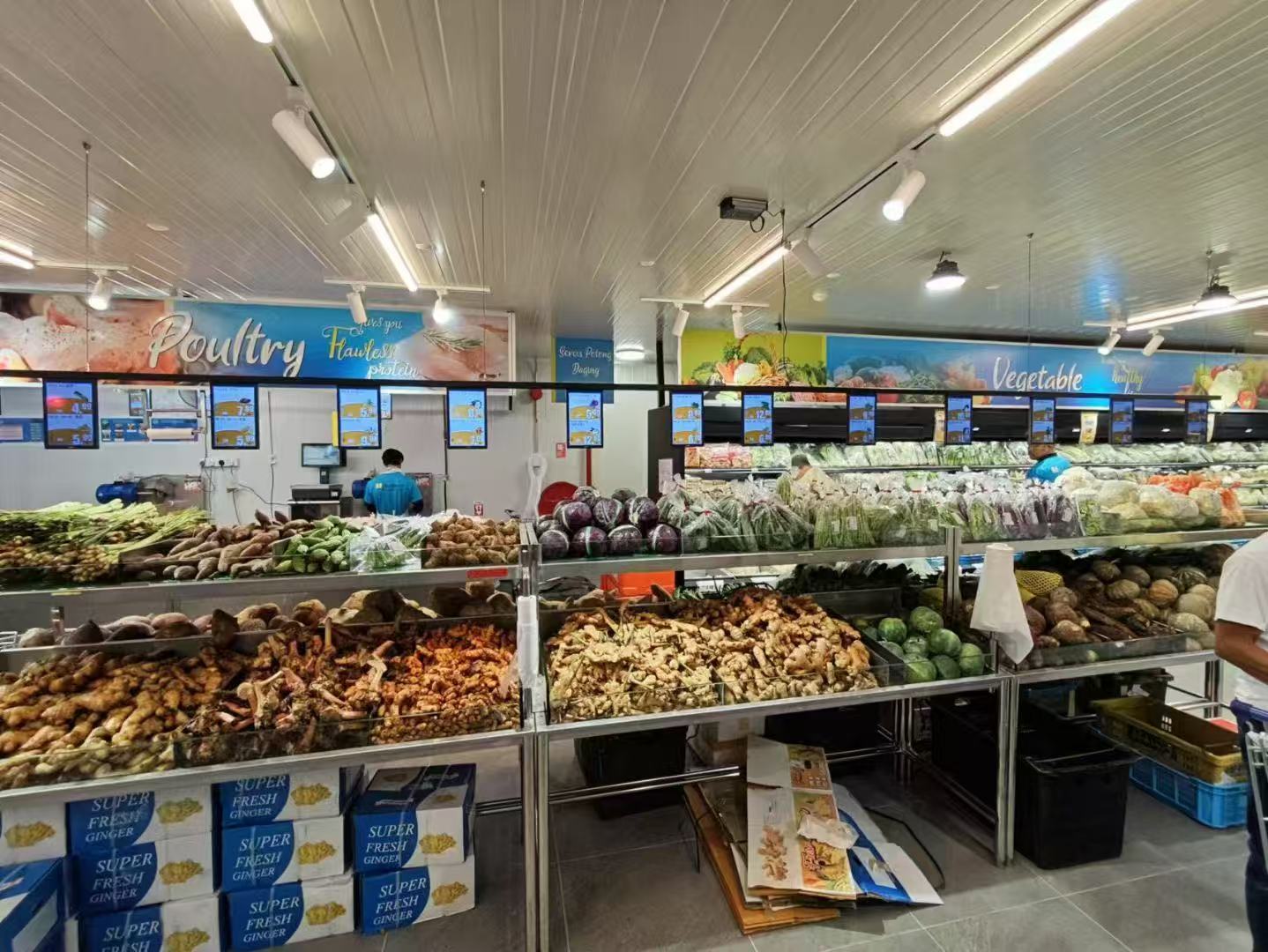
As an important tool for the digital transformation of retail, electronic price tags have gradually demonstrated their advantages in industry practice, which can be mainly reflected from three aspects: retailer operations, consumer experience, and long-term development:
1.
Improve retailers' operational efficiency and reduce overall costs Achieve real-time price synchronization and precise management
Simplify inventory and information management processes
2.
Optimize consumers' shopping experience and enhance trust Provide transparent and comprehensive product information
Reduce price disputes and strengthen consumer trust
3.
Facilitate sustainable development of the industry and adapt to future retail trends Reduce paper consumption and practice green environmental protection
Adapt to intelligent retail scenarios


