
Since 2022, electronic paper application terminals have experienced explosive growth, covering multiple scenarios such as retail, education, office, and healthcare, with over 35 forms, demonstrating tremendous commercial potential. Unlike traditional home appliances that undergo slow iteration, electronic paper, as an IoT product, is accumulating explosive growth momentum and becoming a new species in the display industry.
By 2024, the electronic paper display industry will rank among the forefront of global new display technologies, with an output value of $14.2 billion. It will operate on different principles from Micro LED, OLED, and projection display technologies, each performing its own function. The annual compound growth rate of electronic paper is as high as 29%, demonstrating tremendous market potential.
It is predicted that by 2025, the shipment volume of electronic paper application terminals worldwide will reach 397 million pieces, marking a year-on-year increase of 23.4% and reaching a new market peak.
Currently, 96% of electronic paper modules globally are manufactured in China. From substrates and modules to complete devices and brands, China has formed a complete industrial cluster, becoming the "innovation hotspot" of the electronic paper industry.
The supply chain ecosystem and global delivery layout, centered around China, actively expanding overseas, and radiating across the globe, are accelerating. From the perspective of application landscape, electronic paper has established a "2+1+N" segmented terminal system: "2" refers to two core terminals - electronic paper price tags and electronic paper readers; "1" is the AI-driven innovative development of electronic paper office notebooks; "N" encompasses diverse scenarios such as digital signage, learning machines, displays, and medical terminals. This layout not only consolidates core market advantages but also reserves space for cross-sector penetration.
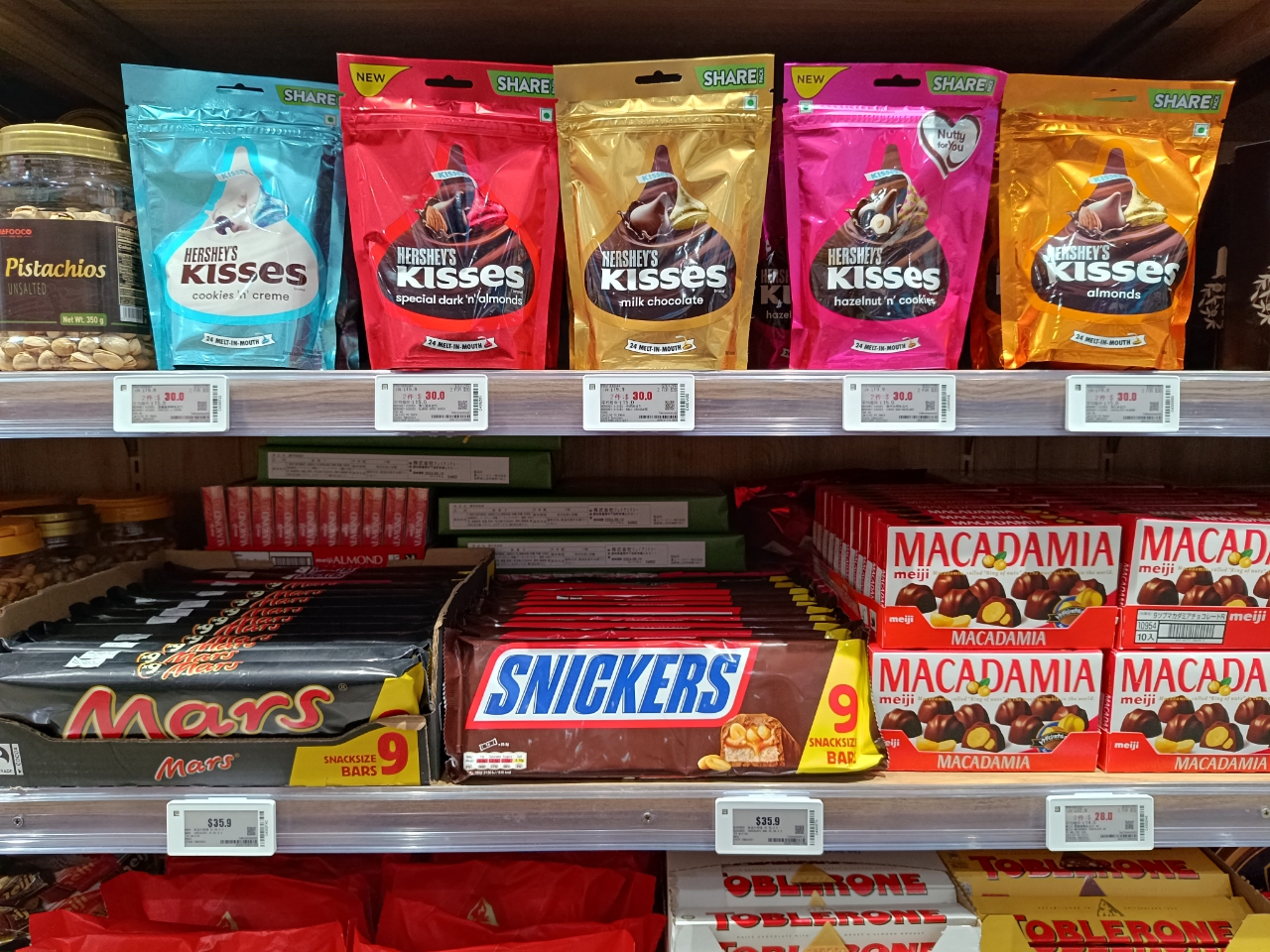
Looking ahead to 2025, the growth momentum of the electronic paper industry will continue to be unleashed. In the field of smart retail, the shipment volume of electronic paper price tags (retail shelf type) is expected to exceed 360 million pieces. With the acceleration of digital transformation in global retail enterprises, electronic paper price tags, with their characteristics of real-time price updates, labor cost savings, environmental protection, and energy conservation, are becoming a standard equipment for major supermarkets and convenience stores. Taking the European and American markets as examples, large supermarket chains such as Wal Mart and Carrefour are replacing traditional paper price tags on a large scale, and retail enterprises in the Asia-Pacific region are also actively following suit, driving the steady increase in shipment volume of electronic paper price tags.


